

What Makes Pasta Stand Out: A Guide to Premium Ingredients
- A Merchant
- Oct 17, 2025
- 4 min read

Pasta is a beloved staple in kitchens worldwide, but not all pasta is created equal. The secret to exceptional pasta lies in the quality of its ingredients. From the wheat used to the water and even the drying process, every element plays a crucial role in the final taste and texture. This guide explores what makes pasta truly stand out by focusing on premium ingredients and how they elevate your pasta experience.
The Role of Premium Ingredients in Pasta Making
Premium ingredients are the foundation of great pasta. The type of wheat, the milling process, and even the water quality can significantly impact the pasta's texture and flavor. For example, durum wheat semolina is preferred for its high protein content and gluten strength, which gives pasta its firm bite and ability to hold sauces well.
Using premium ingredients means selecting wheat that is carefully grown and harvested to ensure purity and consistency. The milling process should produce semolina with a coarse texture, which helps the pasta absorb sauces better. Additionally, some artisanal pasta makers use spring water or mineral-rich water to enhance the dough's elasticity and flavor.
Incorporating premium ingredients also means avoiding additives and preservatives that can compromise the pasta's natural taste. Instead, the focus is on simple, high-quality components that allow the pasta's true character to shine.

Durum wheat grains are essential for making premium pasta with the perfect texture.
Key Premium Ingredients That Elevate Pasta Quality
Understanding the specific ingredients that contribute to premium pasta helps in making informed choices. Here are the key components:
Durum Wheat Semolina
This is the gold standard for pasta flour. It has a high protein content (around 12-15%) which provides strength and elasticity. The semolina's coarse texture also helps sauces cling to the pasta.
Water Quality
Pure, mineral-rich water can improve dough consistency and flavor. Some pasta makers use natural spring water to enhance the dough's texture.
Salt
Salt is essential not only for flavour but also for strengthening the gluten network in the dough.
Natural Additives
Some premium pastas include natural ingredients like spinach, tomato, or squid ink for color and subtle flavor enhancements without artificial additives.
Using these ingredients thoughtfully results in pasta that cooks evenly, has a satisfying bite, and pairs beautifully with sauces.

Fresh pasta dough made with premium ingredients ready for shaping.
How do you identify high quality pasta?
Identifying high-quality pasta involves looking beyond packaging and brand names. Here are practical tips to help you spot premium pasta:
Check the Ingredients List
Look for pasta made from 100% durum wheat semolina. Avoid products with fillers, artificial colors, or preservatives.
Examine the Texture
High-quality pasta has a rough, slightly grainy surface. This texture helps sauces adhere better. Smooth pasta often indicates lower quality.
Color
Premium pasta usually has a golden yellow hue, a sign of good durum wheat and proper milling.
Cooking Performance
When cooked, premium pasta should be al dente - firm to the bite but not hard or mushy. It should hold its shape and not stick together.
Brand Reputation and Origin
Pasta from regions known for pasta-making, such as Italy, often adheres to strict quality standards. However, many producers worldwide now offer excellent products.
Price Point
While not always a guarantee, very cheap pasta may compromise on ingredient quality. Investing a bit more often results in better taste and texture.
By applying these criteria, you can confidently select pasta that will elevate your meals.
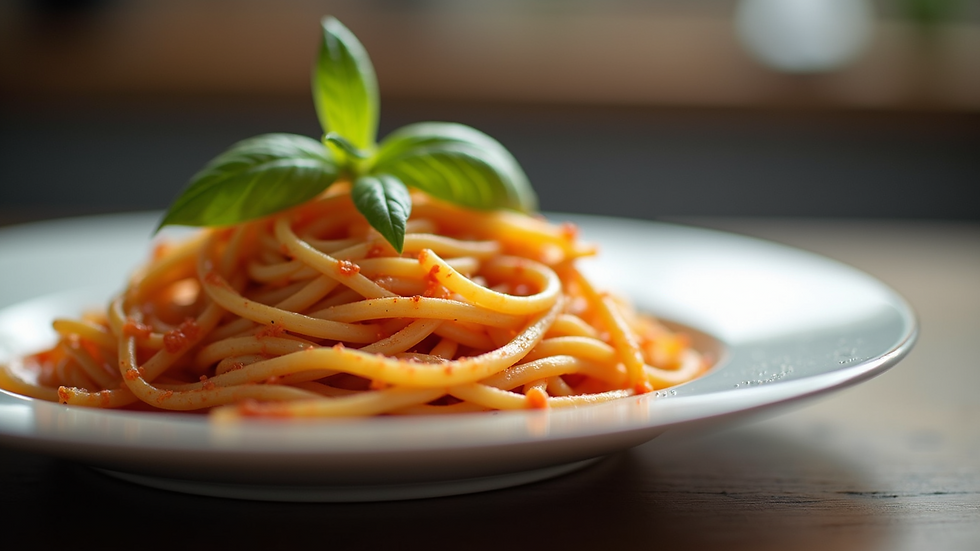
Cooked pasta showcasing the ideal texture and sauce adherence of premium quality.
The Impact of Milling and Drying on Pasta Quality
The process of turning wheat into pasta flour and then drying the pasta shapes is just as important as the ingredients themselves.
Milling
Stone milling is often preferred for premium pasta because it preserves the wheat's natural nutrients and produces semolina with a coarse texture. Modern steel roller mills can produce finer flour but may lose some flavor and texture.
Drying
Slow drying at low temperatures (below 40°C) is a hallmark of premium pasta production. This method preserves the wheat's aroma and prevents the pasta from becoming brittle. Fast drying at high temperatures can damage the protein structure, resulting in pasta that breaks easily and lacks flavor.
Extrusion
The pasta dough is pushed through bronze dies to create shapes. Bronze dies give pasta a rough surface, which helps sauces cling better. Cheaper pasta often uses Teflon dies, resulting in a smooth finish.
Understanding these processes helps explain why premium pasta often costs more but delivers a superior eating experience.
Why Choosing High-Quality Pasta Ingredients Matters
Choosing pasta made with high-quality pasta ingredients is an investment in your culinary enjoyment. The difference is noticeable in every bite - from the texture to the flavor and how well the pasta complements your sauce.
Premium ingredients ensure that the pasta cooks evenly and maintains its structure. This means no mushy or sticky pasta, just perfectly al dente strands that enhance your dish.
Moreover, pasta made with quality ingredients often contains more nutrients and fewer additives, making it a healthier choice.
For those who love cooking and want to impress family or guests, selecting pasta made from premium ingredients is a simple way to elevate your meals without complicated techniques.
By focusing on the quality of ingredients, milling, and drying processes, you can appreciate what truly makes pasta stand out. Whether you are cooking a simple spaghetti aglio e olio or a rich lasagna, starting with premium pasta sets the foundation for a delicious and memorable meal.


Comments