

Discover the Top 5 Pasta Shapes and Their Perfect Culinary Matches

Pasta comes in countless shapes and sizes, each designed to bring out the best in different sauces and dishes. Choosing the right pasta shape can transform a simple meal into a memorable experience. This guide explores the five most popular pasta shapes, their unique features, ideal pairings, and why they remain favorites in kitchens worldwide. Whether you prefer the classic appeal of spaghetti or the hearty bite of rigatoni, understanding these shapes helps you cook with confidence and creativity.

The Top 5 Pasta Shapes :
Penne: The Versatile Tube
Penne is a cylindrical pasta, typically about 1.5 to 2 inches long, with angled ends that resemble quills or pens. Its hollow center and ridged surface make it excellent for holding onto sauces, especially thick and chunky ones.
Best dishes and sauces: Penne pairs beautifully with tomato-based sauces like arrabbiata or bolognese, creamy sauces such as Alfredo, and baked dishes like penne al forno.
Cooking time: Usually cooks in 11 to 13 minutes for an al dente texture.
Order information: NRP Food manufactures penne with a daily capacity of 50 metric tons, ensuring consistent quality and availability for bulk orders.
Penne’s shape allows it to trap sauce inside and cling to the ridges outside, making every bite flavorful. It works well in both hot dishes and cold pasta salads.
Spaghetti: The Classic Strand
Spaghetti is the most iconic pasta shape, long and thin with a smooth surface. Its simplicity makes it a staple in many kitchens and a perfect canvas for a variety of sauces.
Perfect pairings: Light tomato sauces, garlic and olive oil, seafood-based sauces, and classic carbonara all shine with spaghetti.
Cooking tips: Stir frequently during cooking to prevent sticking. Cook for 8 to 10 minutes for ideal firmness.
Spaghetti’s thin strands cook quickly and evenly, making it a go-to for quick meals. Its smooth texture allows delicate sauces to coat the pasta without overwhelming it.
Fusilli: The Spiral Advantage
Fusilli is a corkscrew-shaped pasta, about 1 to 1.5 inches long, with tight spirals that trap sauce in every twist.
Sauce compatibility: Thick, chunky sauces, pesto, and creamy dressings cling well to fusilli’s spirals.
Texture benefits: The spiral shape adds a pleasant chewiness and holds ingredients like vegetables and meat pieces effectively.
Fusilli is ideal for hearty dishes and pasta salads where the sauce or dressing needs to stick well. Its shape also adds visual interest to any plate.
Macaroni: The Small Elbow
Macaroni is a short, curved tube, often called elbow pasta. It’s small, about 1 inch long, and slightly bent, making it incredibly versatile.
Popular recipes: Macaroni and cheese, soups, casseroles, and pasta salads.
Bulk ordering: NRP Food produces macaroni with a capacity of 50 metric tons per day, suitable for large-scale needs.
Macaroni’s size and shape make it perfect for creamy, cheesy dishes and soups where small pasta pieces are preferred. Its curved form helps trap cheese and sauce inside.
Rigatoni: The Large Tube
Rigatoni is a large, ridged tube pasta, typically 1.5 to 2 inches long, with straight-cut ends. Its size and texture make it ideal for baked pasta dishes.
Baked pasta uses: Rigatoni holds up well in oven-baked recipes like baked ziti and pasta casseroles.
Premium appeal: The ridges and large diameter allow it to carry thick, chunky sauces and melted cheese.
Rigatoni’s robust shape makes it a hearty choice for rich, filling meals. It pairs well with meat sauces and vegetables, providing a satisfying bite.
Nutritional Information Comparison
While pasta shapes differ in form, their basic nutritional content is similar, primarily providing carbohydrates, some protein, and minimal fat. However, the surface area and texture can affect how sauces and ingredients adhere, influencing the overall dish’s flavor and mouthfeel.
Carbohydrates: All shapes provide a good energy source.
Protein: Pasta contains moderate protein, which can be enhanced by pairing with protein-rich sauces.
Fiber: Whole grain versions increase fiber content.
Choosing the right pasta shape can enhance the eating experience without significantly changing nutritional intake.
How to Choose the Right Pasta Shape
Selecting the perfect pasta shape from The top 5 pasta shapes depends on the sauce type, cooking method, and dish style:
Use penne for thick, chunky sauces and baked dishes.
Choose spaghetti for light, smooth sauces and quick meals.
Pick fusilli when you want sauce to cling tightly and add texture.
Opt for macaroni in creamy, cheesy dishes or soups.
Select rigatoni for hearty, baked meals with rich sauces.
Consider the dish’s texture and flavor balance to make the best choice.
Bulk Purchasing by Shape
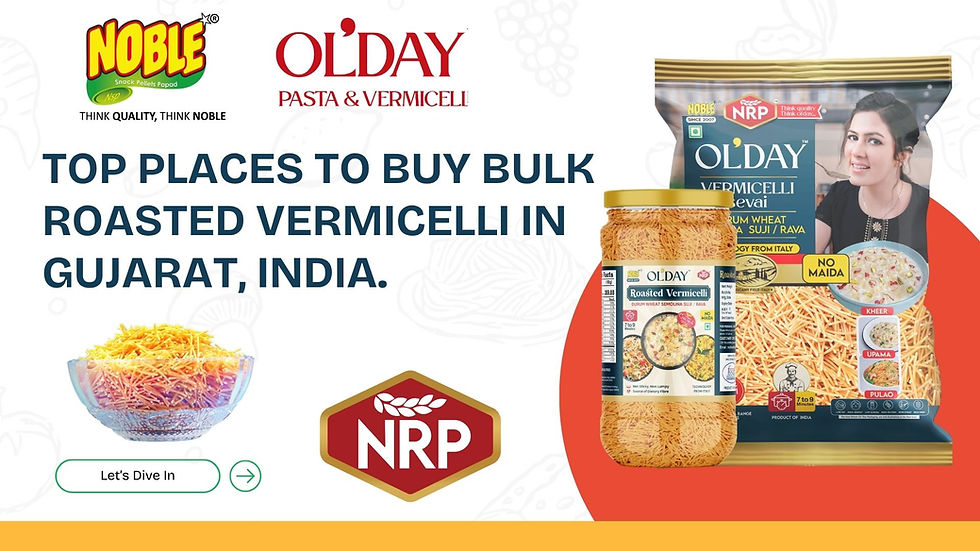
NRP Food offers bulk purchasing options for various pasta shapes, including penne, macaroni/elbow, fusilli/twist, shell, vermicelli, and roasted vermicelli made with durum wheat semolina (rava/suji) with a daily manufacturing capacity of 50 metric tons, they cater to large-scale buyers seeking consistent quality and supply.
Ordering samples of different pasta shapes can help chefs and food businesses decide which best fits their menu and customer preferences.
Understanding pasta shapes and their culinary uses elevates cooking and dining experiences. Each shape brings unique qualities that complement specific sauces and dishes. Whether you are preparing a quick spaghetti meal or a baked rigatoni casserole, choosing the right pasta shape makes all the difference.


Comments